MALT HOUSE
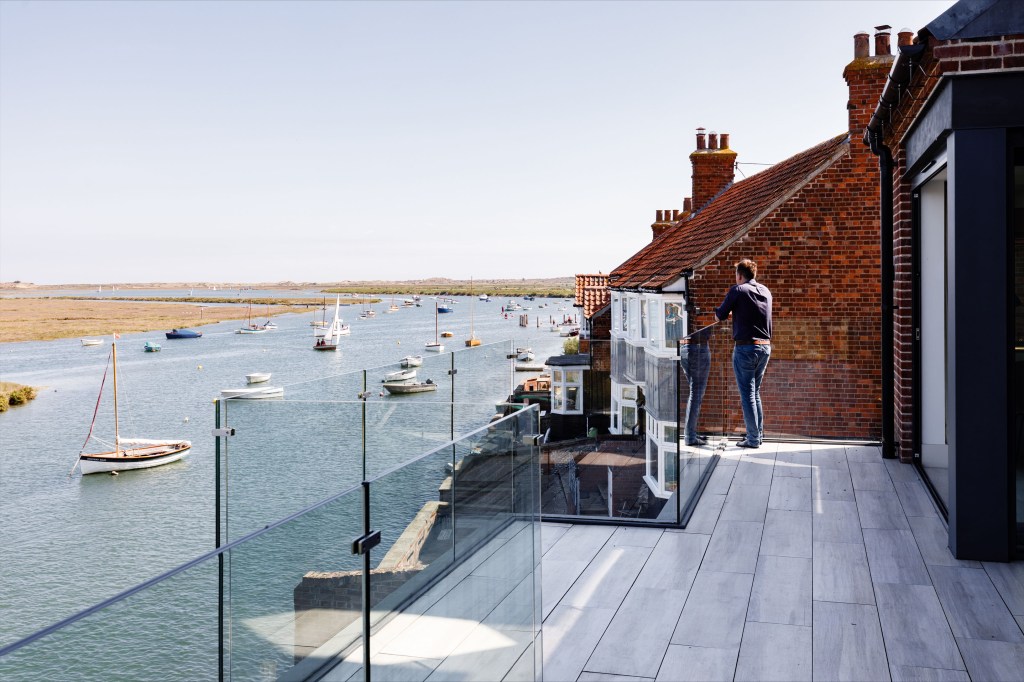
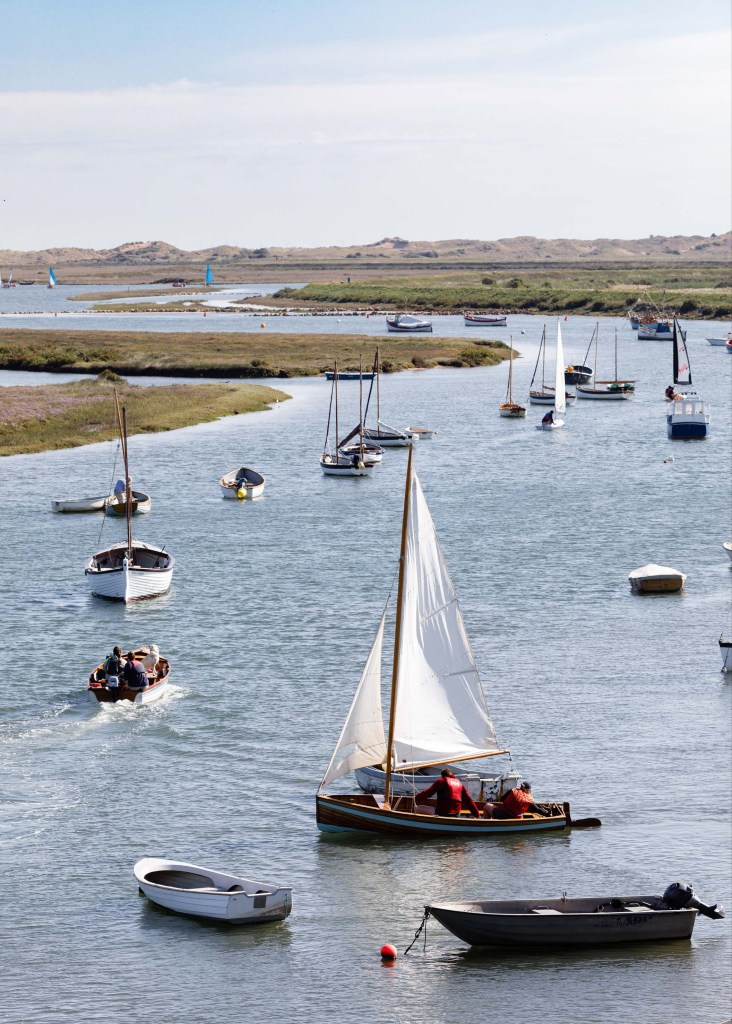
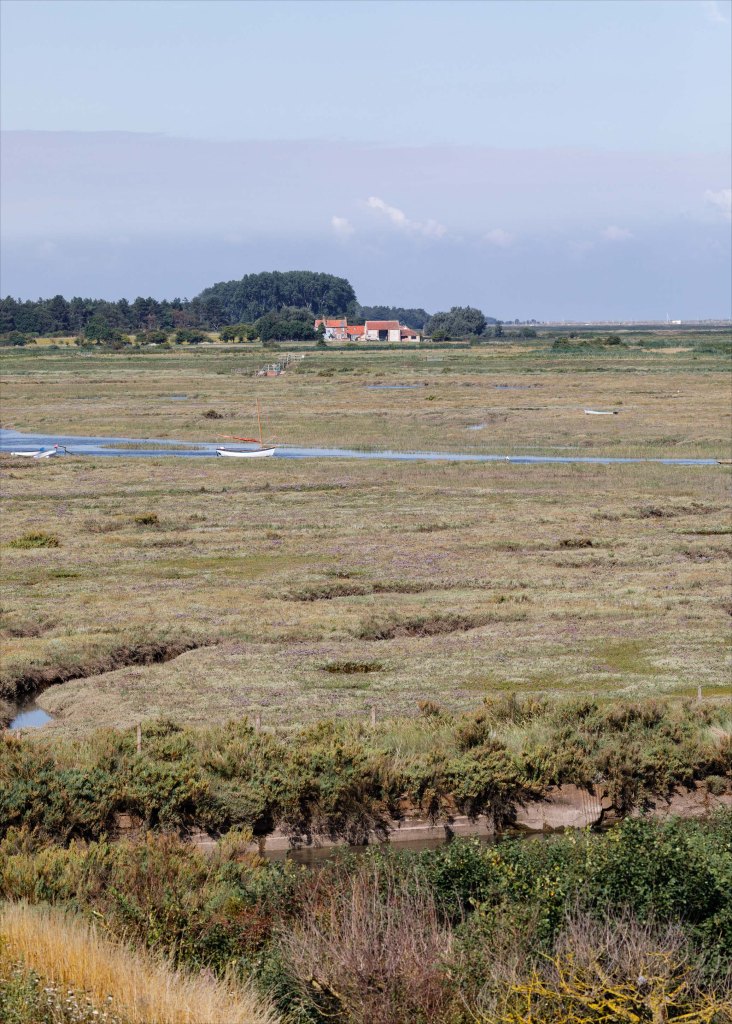
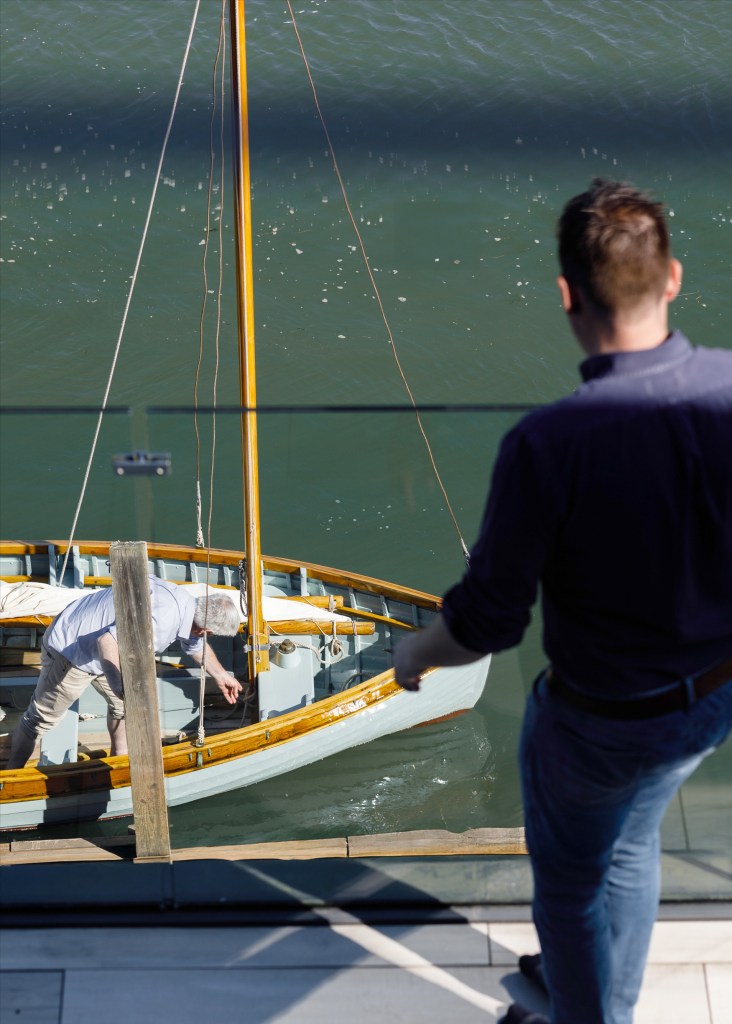
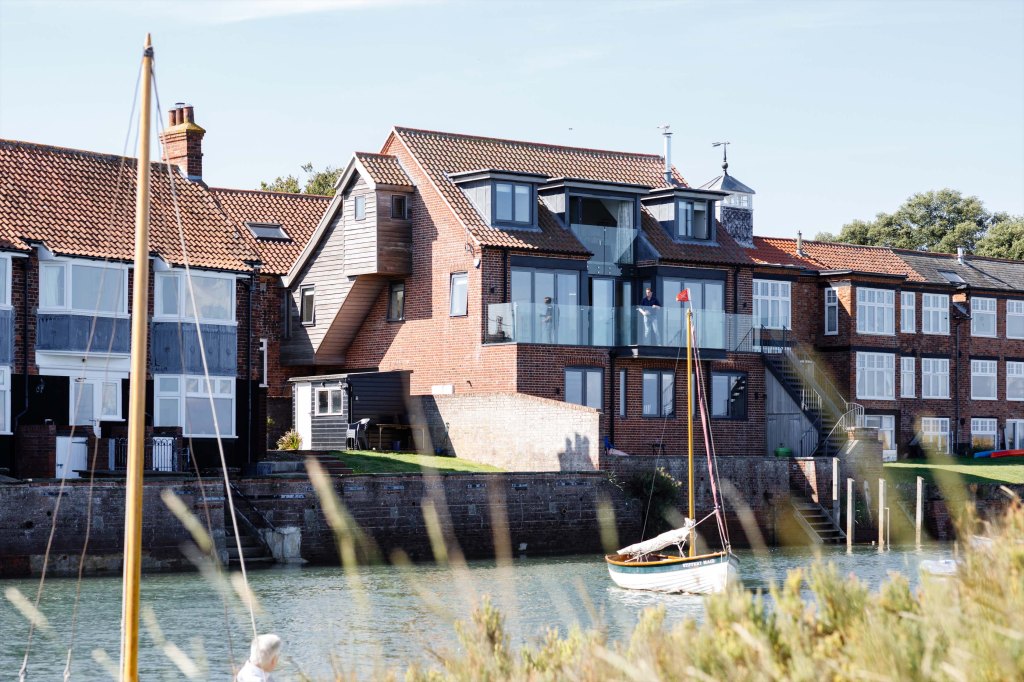
This project is a sensitive and playful reimagining of a replacement dwelling in Burnham Overy Staithe, Norfolk. Positioned in an exceptionally quiet location with direct access to the harbour via a private jetty, the house is conceived as a lifestyle retreat, deeply connected to the water and the rhythms of the landscape. It replaces a previously architect-designed home from Cambridge, respecting the form and height of the earlier structure while elevating its spatial quality, detailing, and sense of connection to place.
Located within a Conservation Area, the design responds carefully to local sensitivities, balancing contemporary architectural moves with contextual restraint.
The site’s prominence near the creek and its susceptibility to flooding added complexity, leading to the decision to create a bunded perimeter wall preventing water ingress in the event of a tidal surge or storm event.
The client, who was highly engaged throughout the process, helped to shape a home that prioritises both long-term resilience and everyday pleasure.
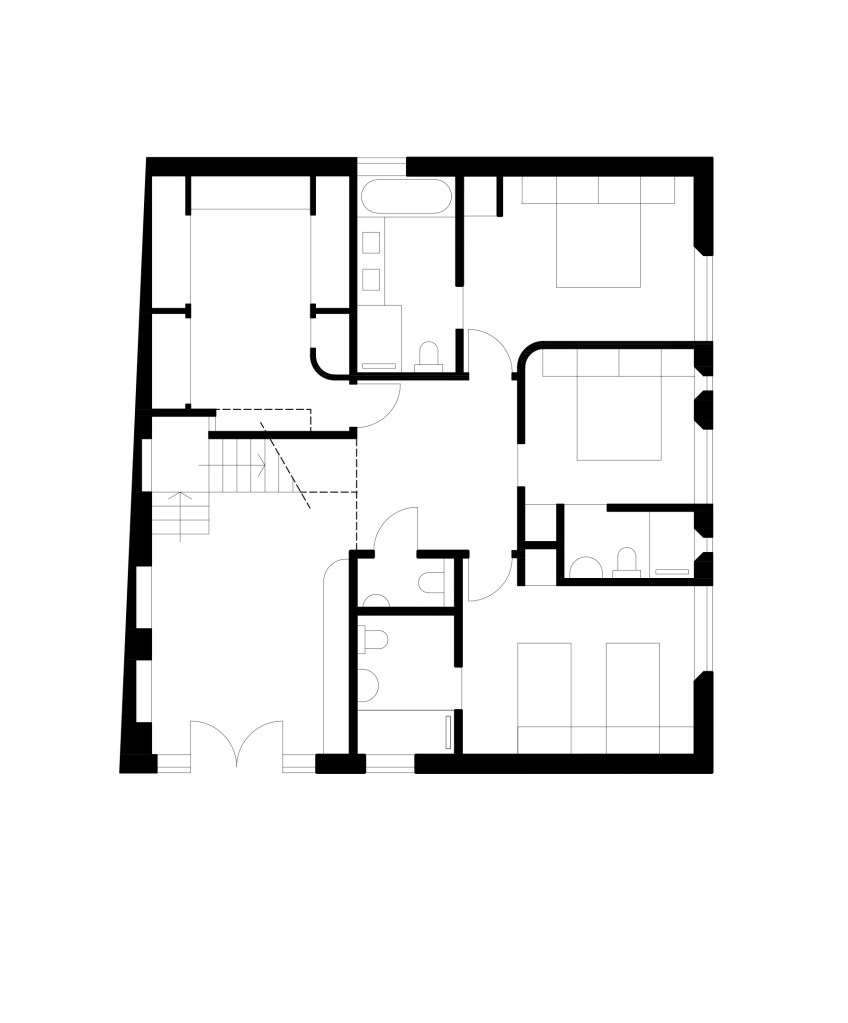
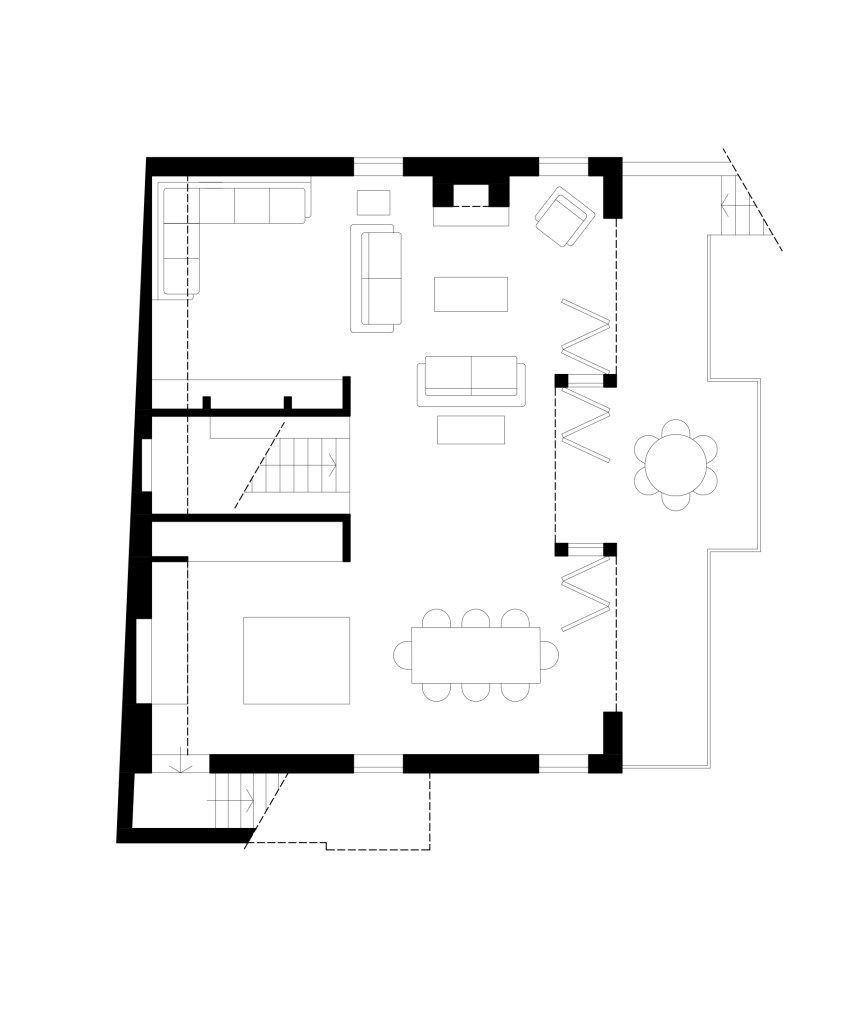
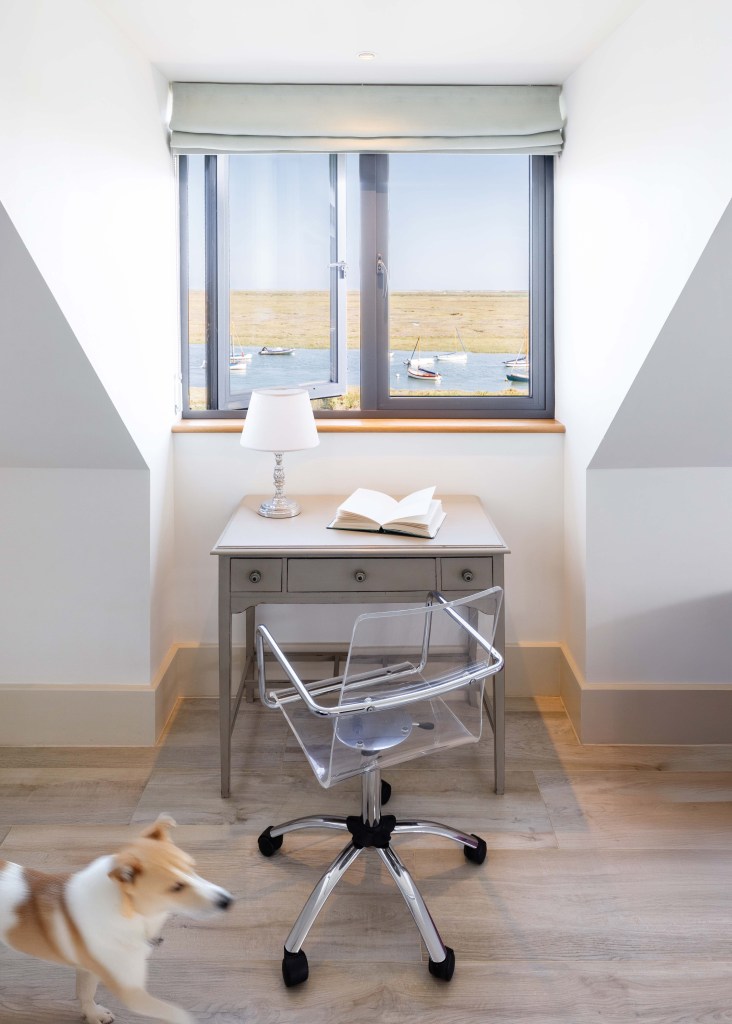
The brief called for spacious, flowing interiors on a constrained site, with an emphasis on natural light, flexibility, and minimal circulation. There are no corridors, and the house is organised around a central cantilevered staircase with a glass balustrade that draws the eye upward and outward to a significant framed view. The staircase functions as a sculptural centrepiece and a vertical light well, subtly distributing daylight across all levels. Bedrooms are located both on the ground floor and tucked into the eaves above, providing adaptability for different family arrangements.
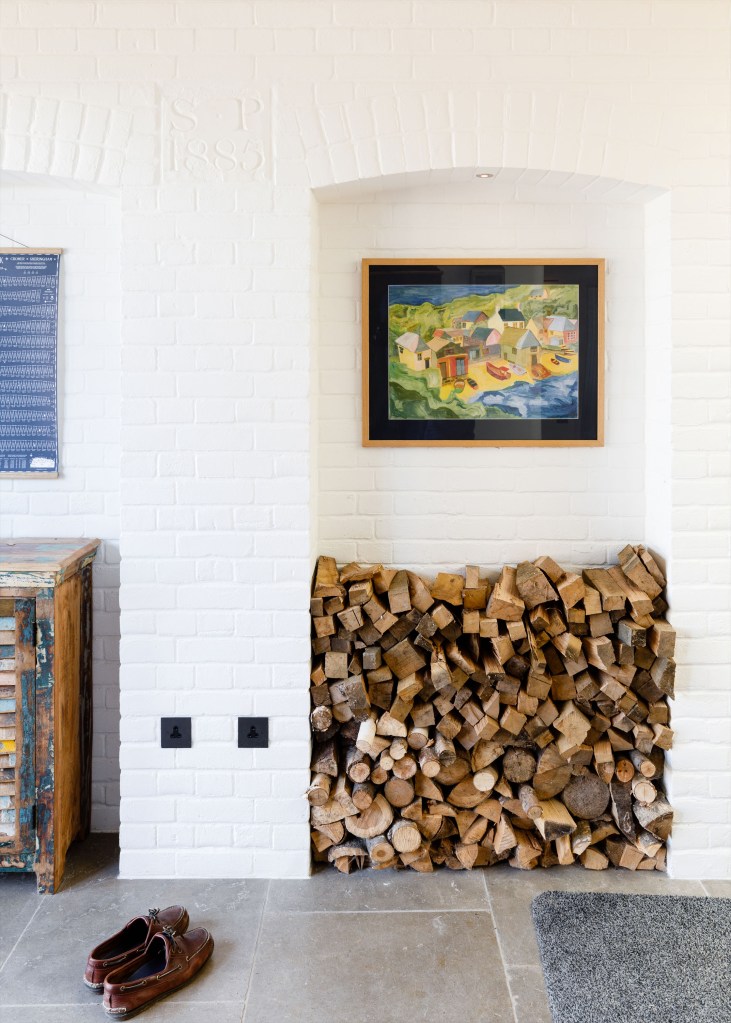
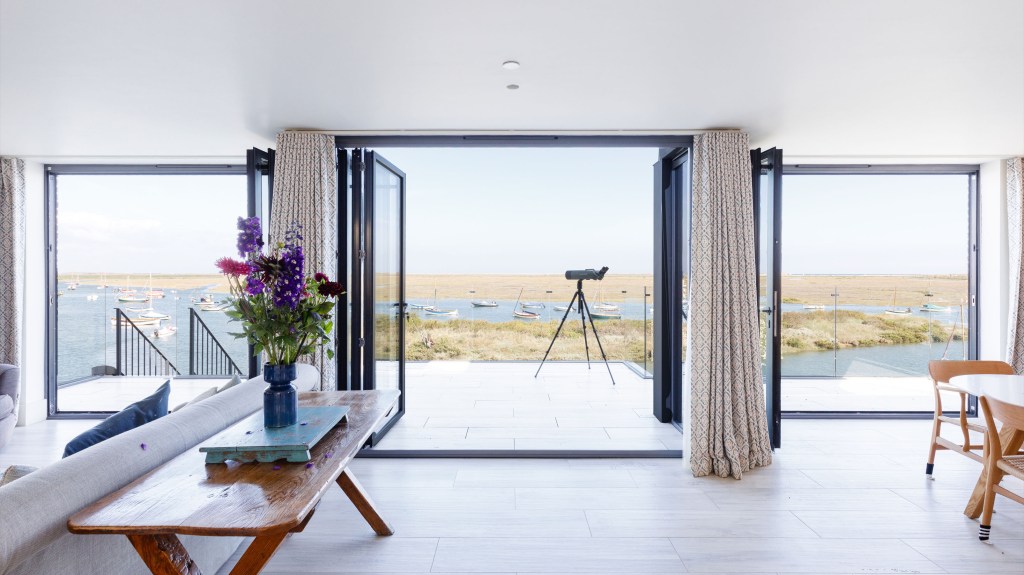
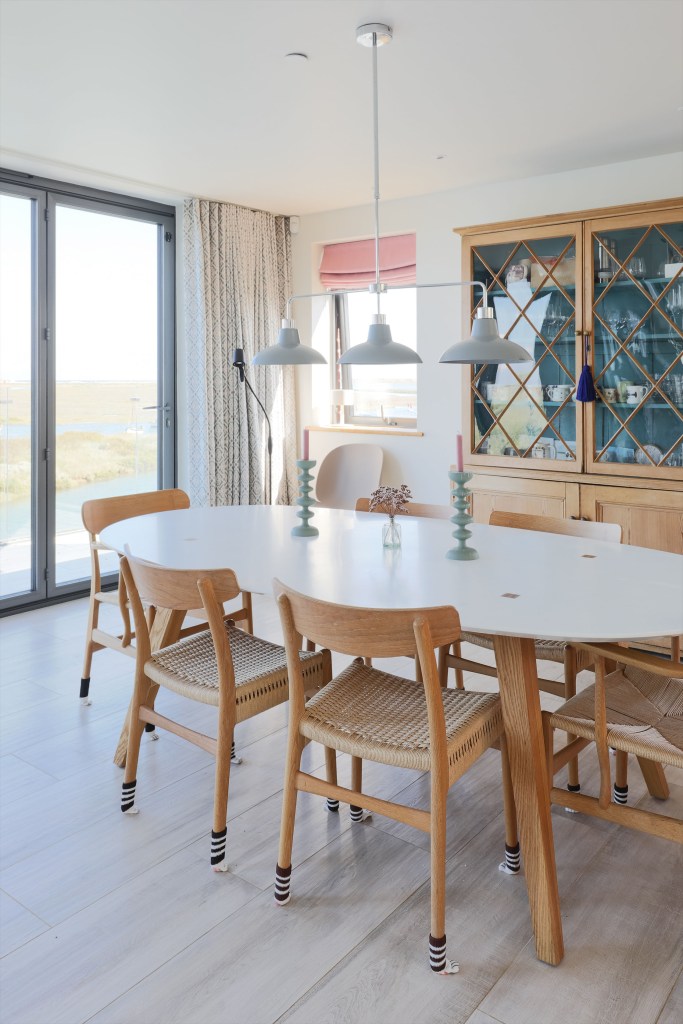
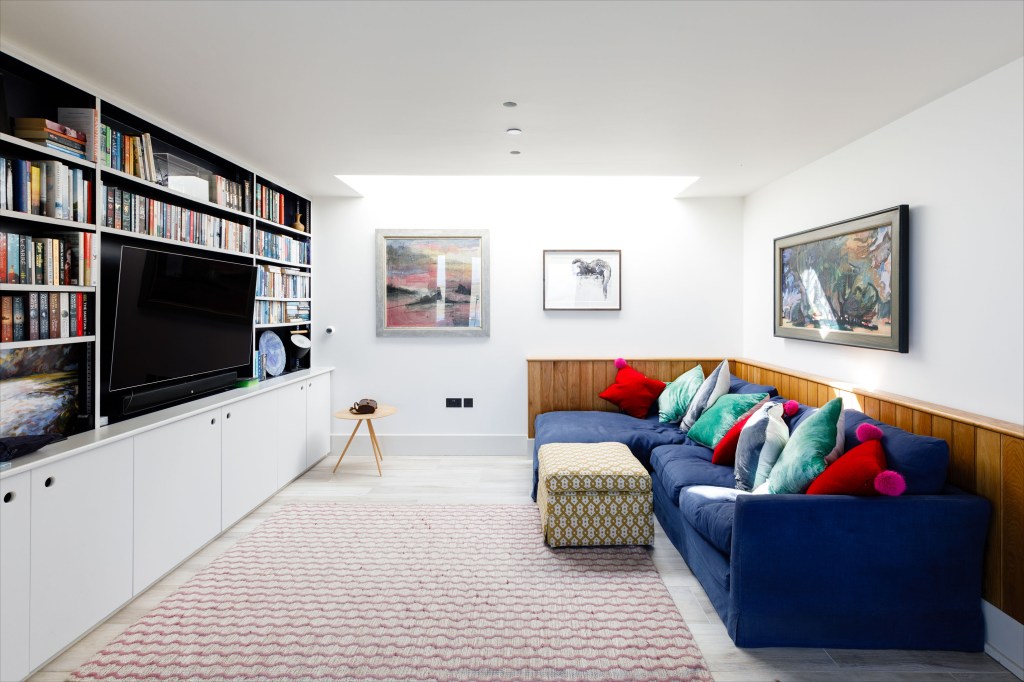
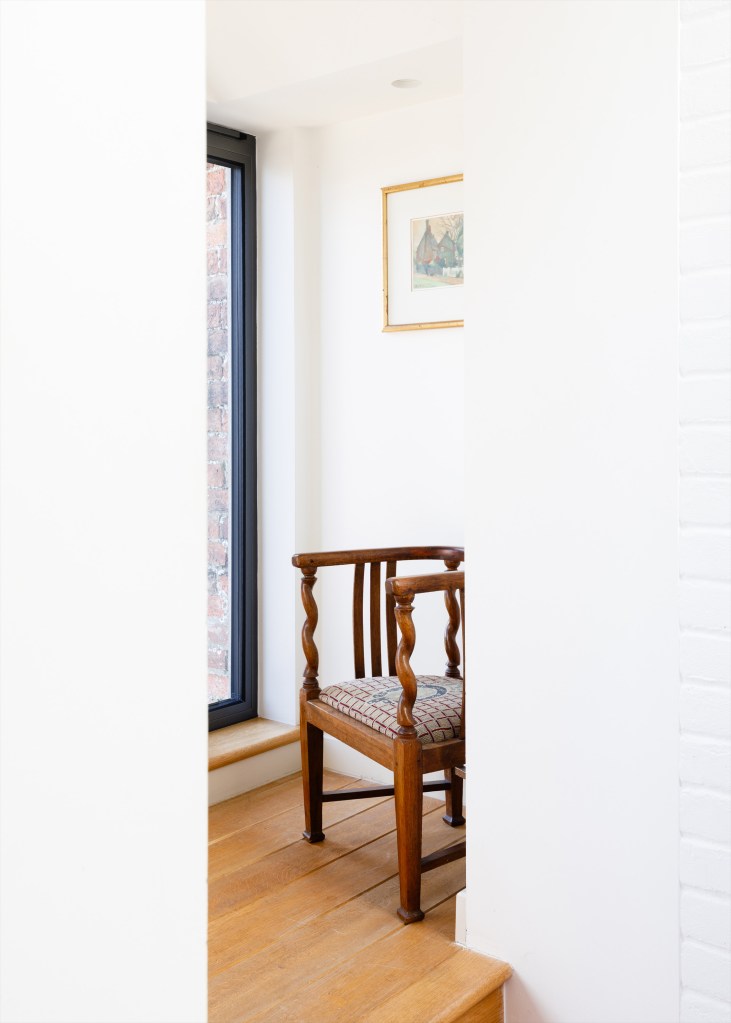
Internally, the home is detailed with snug joinery, an integrated kitchen, and extensive built-in storage to support calm and clutter-free living. Folding doors at the rear open onto the garden and water beyond, creating a continuous relationship between inside and out. Glazed bricks have been used to borrow light into secondary spaces, including the utility room, while glazed doors at the front and side reference industrial typologies and offer a sense of generous, almost non-domestic entry.
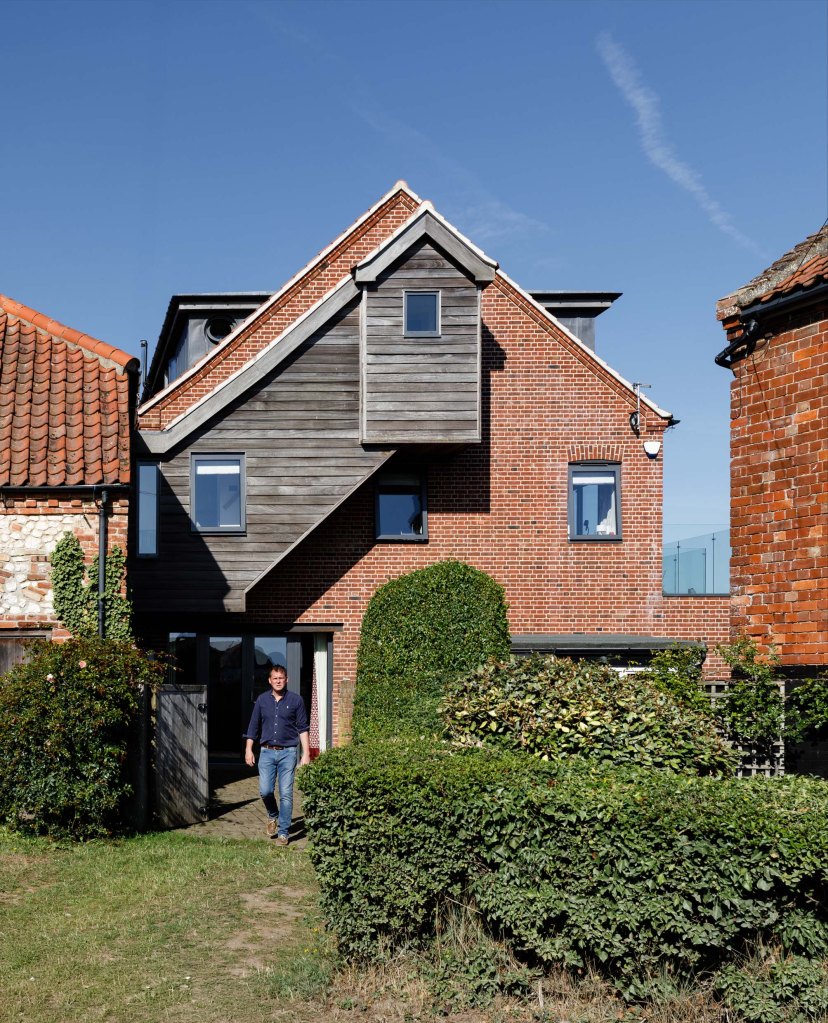
Externally, a vernacular industrial aesthetic shapes the language of the house. An external stair to the top floor is quietly expressed in raw, functional materials. The rear wall and lobby incorporate a historically inspired rebuild, blending old and new. Together, these elements produce a home that is robust yet serene—rooted in its context and finely tuned to its owners’ way of life.
 THOMAS FAIRE ARCHITECTS